Explore Latvia · Nacionālie parki
Četri Latvijas nacionālie parki: salīdzinājums
Latvijā ir četri nacionālie parki ar dažādām ceļošanas lomām. Gauja apvieno ainavas un vēsturiskas pilsētas, Ķemeri ir vieglākā mitrāja izvēle Rīgas tuvumā, Slītere noenkurojas ziemeļrietumu piekrastē un Rāzna paver garāku Latgales maršrutu.
Šī rokasgrāmata ir uzrakstīta neatkarīgi un pārbaudīta, salīdzinot ar tālāk norādītajiem oficiālajiem avotiem.
Pārbaudiet pirms ceļojuma
Var mainīties laika grafiki, darba laiki, piekļuves noteikumi un pasākumu programmas. Apstipriniet datuma informāciju ar oficiālo operatoru vai norises vietu.
Gaujas Nacionālais parks
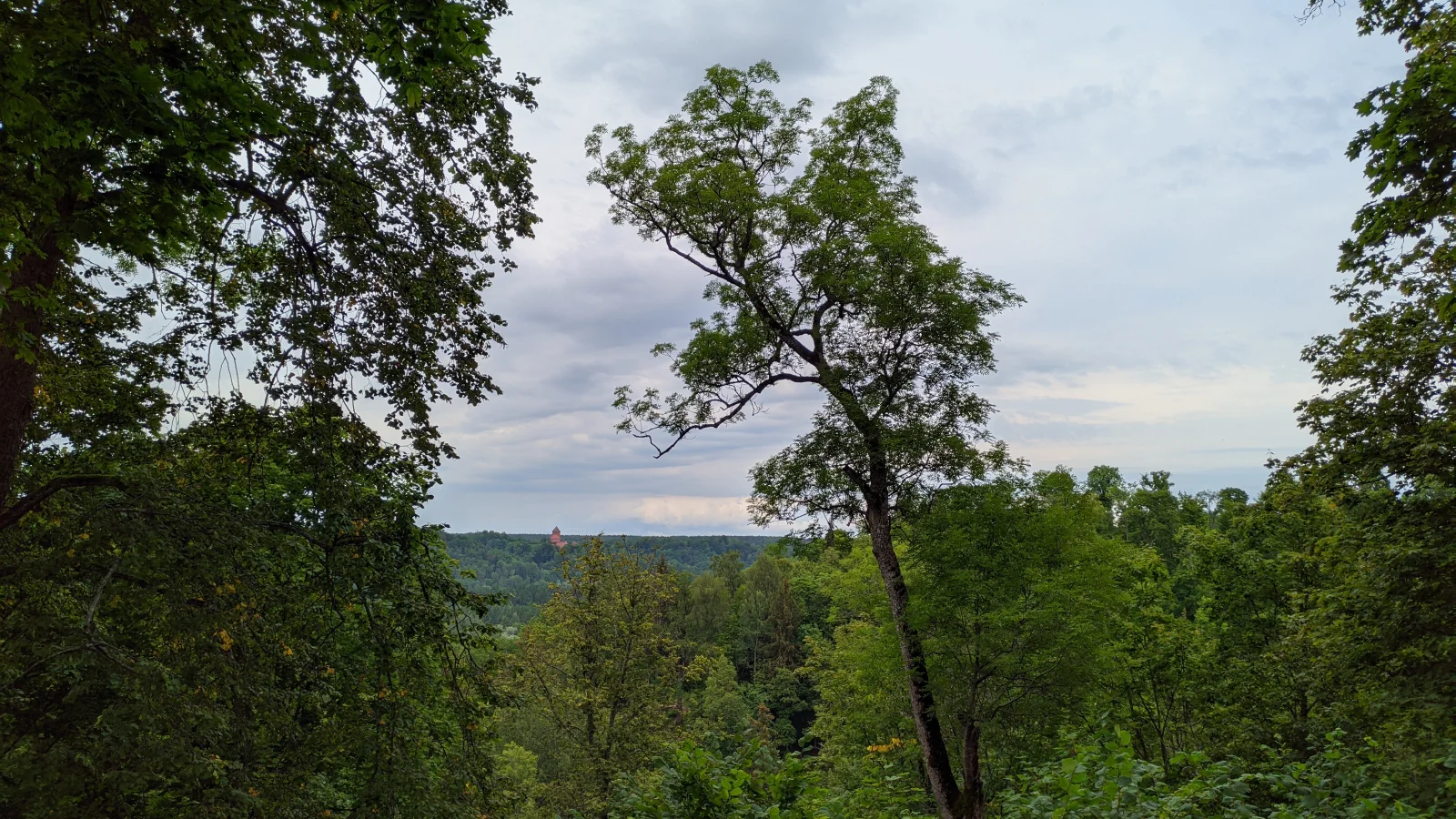
Gauja ir spēcīgākā pirmā nacionālā parka izvēle ceļotājiem, kuri vēlas arī pilis un vēsturiskas pilsētas. Sigulda un Cēsis nodrošina praktisku pamatu, taču parks ir pietiekami liels, lai pilnam maršrutam būtu nepieciešami selektīvi klasteri.
Vislabākais priekš
Pastaigas pa upi pa ieleju, smilšakmens, pilis un divu nakšu apmešanās reģionā.
Noderīgas bāzes
Siguldā uz īsāku vizīti; Cēsis pilsētas un ainavas atpūtai.
Atvērt ceļvediAvoti: Dabas aizsardzības aģentūra: Gaujas Nacionālais parks
Ķemeru Nacionālais parks
Ķemeri aizsargā mitrājus, mežus un piekrastes ezerus uz rietumiem no Rīgas. Pazīstamākās laipas ir tikai daļa no parka, tāpēc pirms izbraukšanas pārbaudiet precīzu taku, piekļuves punktu un pašreizējos apstākļus.
Vislabākais priekš
Purva ainava un ar Jūrmalu saistīta dabas diena.
Plānojiet rūpīgi
Piekļuve takām un sabiedriskais transports ne vienmēr sakrīt, īpaši agri vai vēlu dienas laikā.
Avoti: Dabas aizsardzības aģentūra: Ķemeru Nacionālais parks
Slīteres Nacionālais parks
Slītere apvieno mežu, kāpas, ciemus un ziemeļrietumu piekrasti. Tas ir pelnījis reģionālu uzturēšanos, jo attālumi un ierobežotie pakalpojumi padara to par sliktu steidzīgu vienas dienas braucienu no Rīgas.
Vislabākais priekš
Piekrastes ainavas, putnu migrācija un lēnāks Kurzemes maršruts.
Noderīga pieeja
Apvieno ar Ventspili vai kādu citu Kurzemes bāzi un pārbaudi sezonas pieejamību.
Avoti: Dabas aizsardzības aģentūra: Slīteres Nacionālais parks
Rāznas Nacionālais parks
Rāznas centrā ir ezera ainavas un Latgales kultūrvide. Vislabāk tas darbojas Austrumlatvijas maršrutā, nevis kā viena diena no galvaspilsētas.
Vislabākais priekš
Ezeri, skatu punkti un plašāks Latgales ceļojums.
Noderīgas bāzes
Rēzeknē vai reģionālā apmešanās vieta ar iepriekš ieplānotu transportu.
Atvērt ceļvediAvoti: Dabas aizsardzības aģentūra: Rāznas Nacionālais parks
Kā izvēlēties un sagatavot
Izvēlieties vienu parku, kas atbilst plašākam maršrutam, pēc tam pārbaudiet Dabas aizsardzības aģentūras lapu, lai uzzinātu pašreizējos ierobežojumus, slēgšanu un informāciju par apmeklētājiem. Līdzi jāņem ūdens, piemēroti apavi un attiecīgā maršruta kopija bezsaistē.
Bez mašīnas
Gauja un daļa Ķemeru kopumā ir vieglāki sākumpunkti, taču pārbaudiet gala taku savienojumu.
Ar mašīnu
Slītere un Rāzna kļūst praktiskākas, bet joprojām ir spēkā aizsargājamās teritorijas noteikumi.
Avoti: Dabas aizsardzības aģentūra: aizsargājamās teritorijas
Pārbaudiet pirmavotus
Oficiālie avoti un pārskatīšanas informācija
Šis ceļvedis pēdējo reizi pārskatīts 2026. gada 22. augusts. Šie oficiālie tūrisma, transporta, mantojuma un kultūras avoti atbalsta šajā lapā sniegtos praktiskos norādījumus.
Dabas aizsardzība
Dabas aizsardzības aģentūra: aizsargājamās teritorijas
Oficiālās kategorijas un aktuālais Latvijas aizsargājamo dabas teritoriju inventārs.
Nacionālie parki
Dabas aizsardzības aģentūra: Gaujas Nacionālais parks
Oficiālais parka pārskats, ainavas konteksts un informācija apmeklētājiem.
Dabas aizsardzības aģentūra: Ķemeru Nacionālais parks
Oficiālā informācija par mitrājiem, takām un aizsargājamiem biotopiem.
Dabas aizsardzības aģentūra: Slīteres Nacionālais parks
Oficiālā informācija par piekrastes ainavām, biotopiem un apmeklētāju maršrutiem.
Dabas aizsardzības aģentūra: Rāznas Nacionālais parks
Oficiālā informācija par Latgales ezeriem, ainavām un aizsargājamiem biotopiem.
Turpiniet plānošanu